

Global warming, drought, wildfires
Us or Them?

Are we as individuals, with our cars, homes, jobs, etc responsible for our climate crisis? Or is it the carbon majors, the oil, gas, coal, and cement producers?
Carbon majors
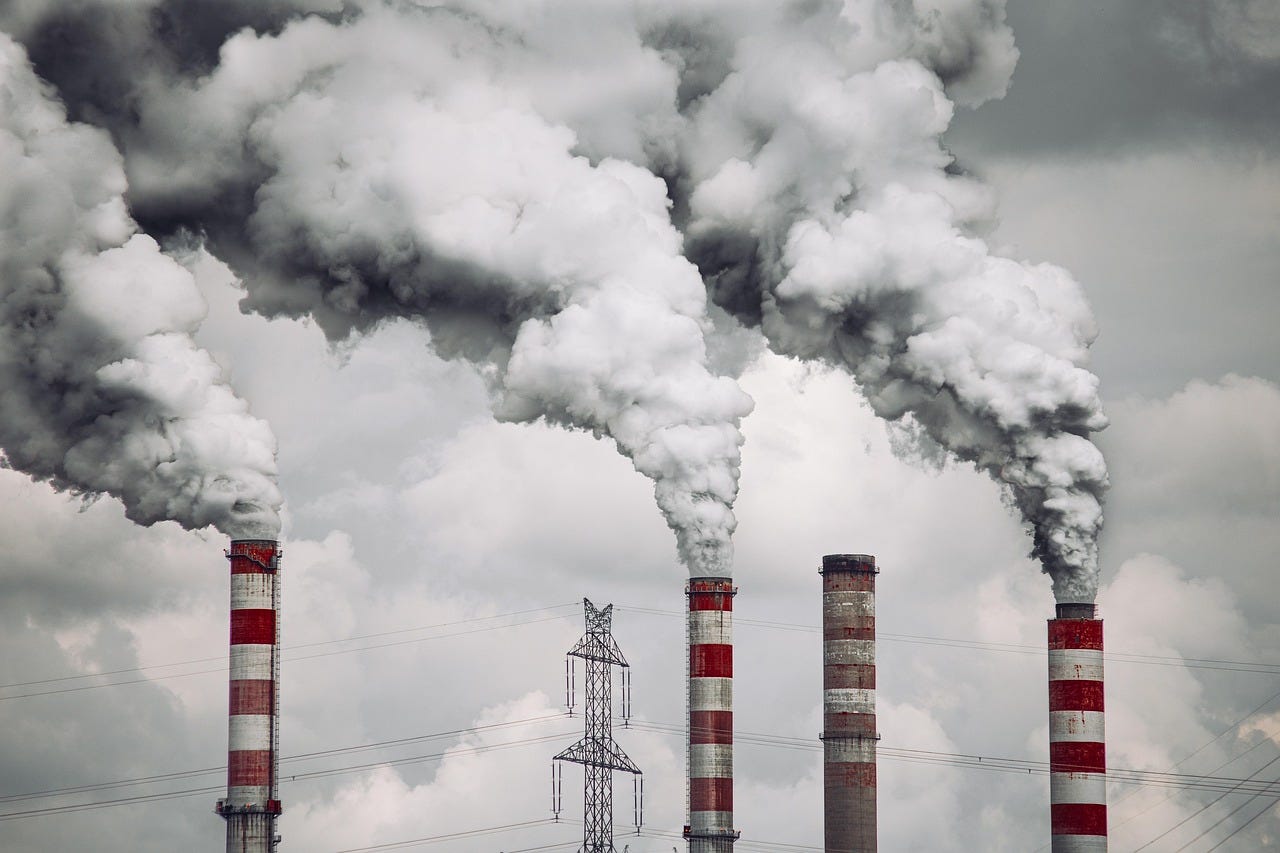
It’s been estimated that emissions from 1850 to 2023 carbon majors account for 60% of humanity's total cumulative CO2. The links between climate change and heatwaves are well known, this study estimates that global warming has made heatwaves 200 times more likely to occur. The study also points out that they are getting more intense. They compare the period from 1850 to 1900 and 2010 to 2019. The authors maintain that major carbon emitters have made heatwaves more likely and more severe since 1850.
Carbon mini-majors
According to Oxfam, the average billionaire in the study took 184 private jet flights in a year, emitting as much carbon as the average person would in 300 years. But, with ~2,700 billionaires globally (as of 2025), their total personal emissions ≈ 18.9 million tonnes of CO₂/year. Just one carbon major ExxonMobil emmits ~600 million tonnes/year. The billionaires also invest their money in polluting industries, these investments emit an average of 3 million tonnes of CO₂ per year. Still nowhere near ExxonMobil which is just one of many carbon majors.
Carbon minors
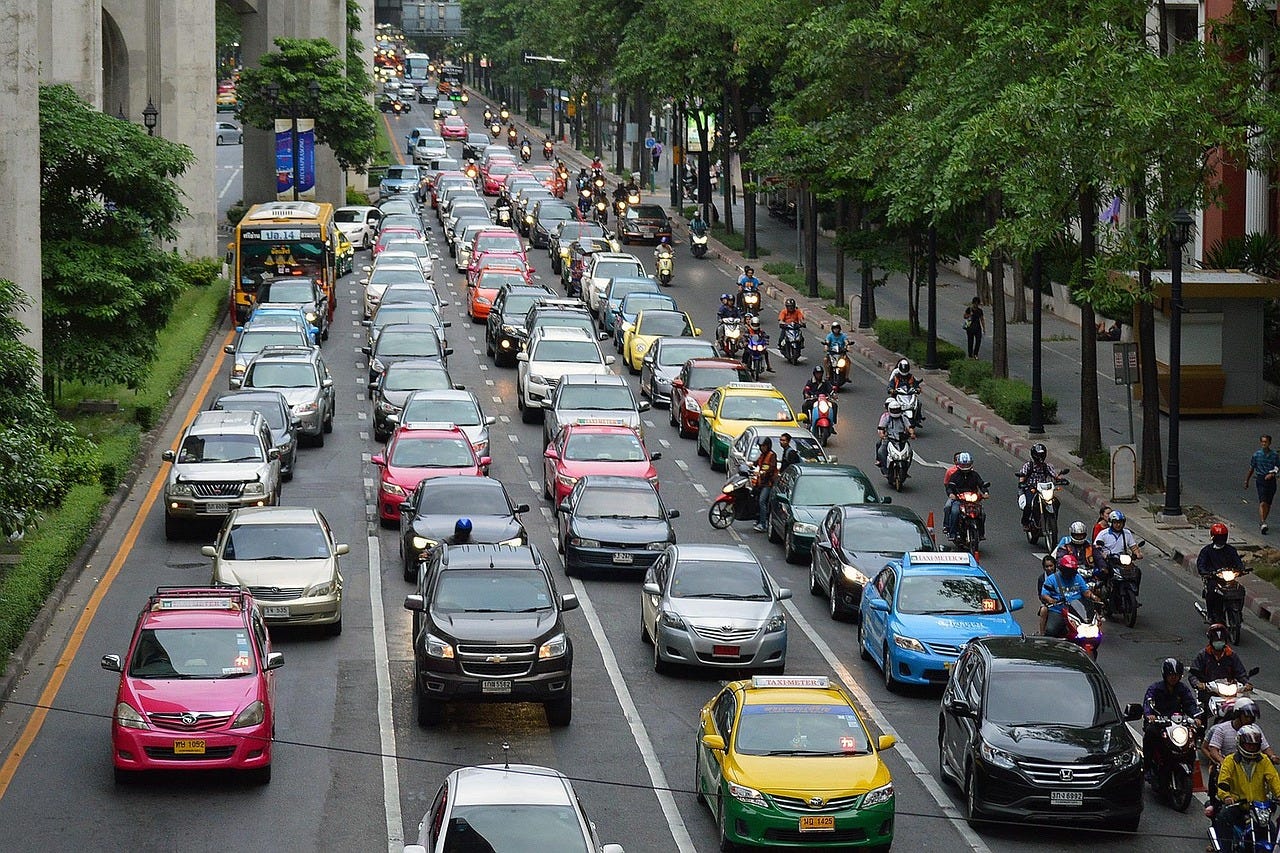
That’s me and you. Driving our cars, flying off on holiday, heating, cooling and powering our homes and shopping. We each have our personal carbon. As of 2023, the average carbon footprint of a French person is estimated at 9.4 tonnes of CO₂ equivalent per year. For the total population this totals at 643 million tonnes of CO₂ equivalent per year. Amongst the world’s ‘poorest’ populations the average per capita carbon footprint is less than 0.5 tonnes of CO₂/year.
Some economic theory
Perfect competition
Consumers are fully informed and make rational choices. Producers cannot exploit information gaps. No hidden information exists between buyers and sellers
Perfect Information
In microeconomics and game theory, perfect information refers to a situation where all participants — including consumers — have complete, accurate, and instantaneous knowledge of:
All prices in the market
Product quality and characteristics
Their own preferences and utility
Available alternatives and substitutes
This is all related to Rational choice theory which assumes consumers use perfect information to maximize utility. The latter means making choices that give the greatest possible satisfaction or benefit, given limited resources like time or money.
Information asymmetry
This is the opposite of perfect information, where one party (usually the seller) knows more than the other. This is where all of the preceding theory breaks down.
The carbon majors have known since the 1980’s that global warming is linked to burning fossil fuels. In the 1960s–70s, Exxon and others began internal research on CO₂ emissions, the studies confirmed climate risks, but kept findings secret. Very few members of the public were aware of this link. The carbon majors have been actively maintaining an asymmetry of information since the 1850’s. Back then it involved concealing information.
In the mid-20th the industries went proactive and copied the tobacco industry’s playbook. This included: casting doubt on science, and launching disinformation campaigns. They funded or set up front groups and pseudo-experts to question environmental concerns. In the early part of this century they continued with the above tactics and added in “solutions denial”. This involves denying climate change and also claiming that nothing can be done without harming the economy. They also use a web of networks to spread fake climate news and conspiracy theories. They undermine climate scientists and activists by funding social media disinformation.
The information about global warming and the threats we face is out in the world, most people have heard about it all. One of the current carbon major’s strategies is to try and push the responsibility to act onto us as individuals and onto governments. The latter always tend to prioritise their national security and their economies. Today, these two are seen as being of higher priority than ‘saving the planet’. They have, more or less, aligned themselves with the industry polemic that it’s us as consumers who have to act. We must, for example, change our cars for electric ones. This, for industry and economic growth is a win-win situation. We are sold the idea that electric cars are better for the environment, changing to electric means buying new cars which is ‘good’ for the economy.
The comfort paradox
Each generation grows up with a reference base. Let’s take private car ownership in France since 1940 aa an example. In the 1940s ~10–15% of the total population had a car. They were rare and children at the time wouldn’t have seen many. In the 1950s this rose to ~20–25%, children then would have seen more and playing on the street would have been more and more awkward. Jump to the 1980s and ~65–70% have cars, they are everywhere, streets are crowded with them. In the 2010s ~85–86% have cars, households often had two. Cars dominate the transport sector. Each generation grew up with a different reference base, from hardly any cars to total car dominance.
We can do the same analysis for consumer ‘white’ goods like washing machines, electric cookers, and so on. For recent generations these once rare machines are very common. Washing clothes by hand and drying them through a wringer, the reference base for children in the 1940’s is rarely seen in today’s ‘wealthy’ countries.
With each generation ‘comfort’ increased. Cars today are very comfortable and like a second home. We have equipped our homes themselves with electronic gadgets and electrical goods that mean we live in a luxury unknown to most people in the 1940s.
The paradox is that many people find it very difficult to give up some of this luxury. And at the same time most of us want change:
85% of EU citizens believe climate change is a serious global problem,
81% support the EU’s goal of becoming climate neutral by 2050, 88% want more investment in renewables and energy efficiency
77% agree that the cost of climate damage outweighs the cost of transitioning to a green economy
83% believe better preparation for climate impacts will improve lives across the EU
So who is responsible?
Big carbon try and push the responsibility onto consumers. Consumers push it onto governments. Governments try and maintain economic growth which means encouraging consumption, which means more global heating. They also subsidise carbon majors. Around and around we go. The blame game is useful to carbon majors because it muddies the water even more.
What is certain is that carbon majors created and maintain an asymmetry of information concerning the ecological costs of their activities. Governments tend to try and conceal the public money that goes to these industries. For example, the European Union spent approximately €111 billion in fossil fuel subsidies in 2023.
What can we do?
Big Carbon industries want to drill, pump and pollute. Governments want economic growth even at this means wrecking the climate. People want change but want governments to deal with the problem. It’s a vicious cycle.
“The greatest victory is that which requires no battle.” Sun Tzu, The Art of War
We can struggle against the status quo or get out of the polemic. We’ve been led by the nose for far too long, chasing an industry promoted dream of toxic luxury. We’ve been lied to, and misled, for generations by both Big Carbon and successive governments. We can continue to try and push governments to act, we can continue to protest and demand action. We’ve tried this and both the tactics and strategy have failed. They simply pushed governments into becoming increasingly authoritarian. They use the law and the Forces of order to impose their will, which is to suffocate our actions.
The message has to get around that we can live better, longer and be healthier with less. Activists must unite around this argument. The economic theory around this idea are sound, as are the environmental and social ones.
It comes down to this: go home and sort it out locally. This is what MAX13 is about.